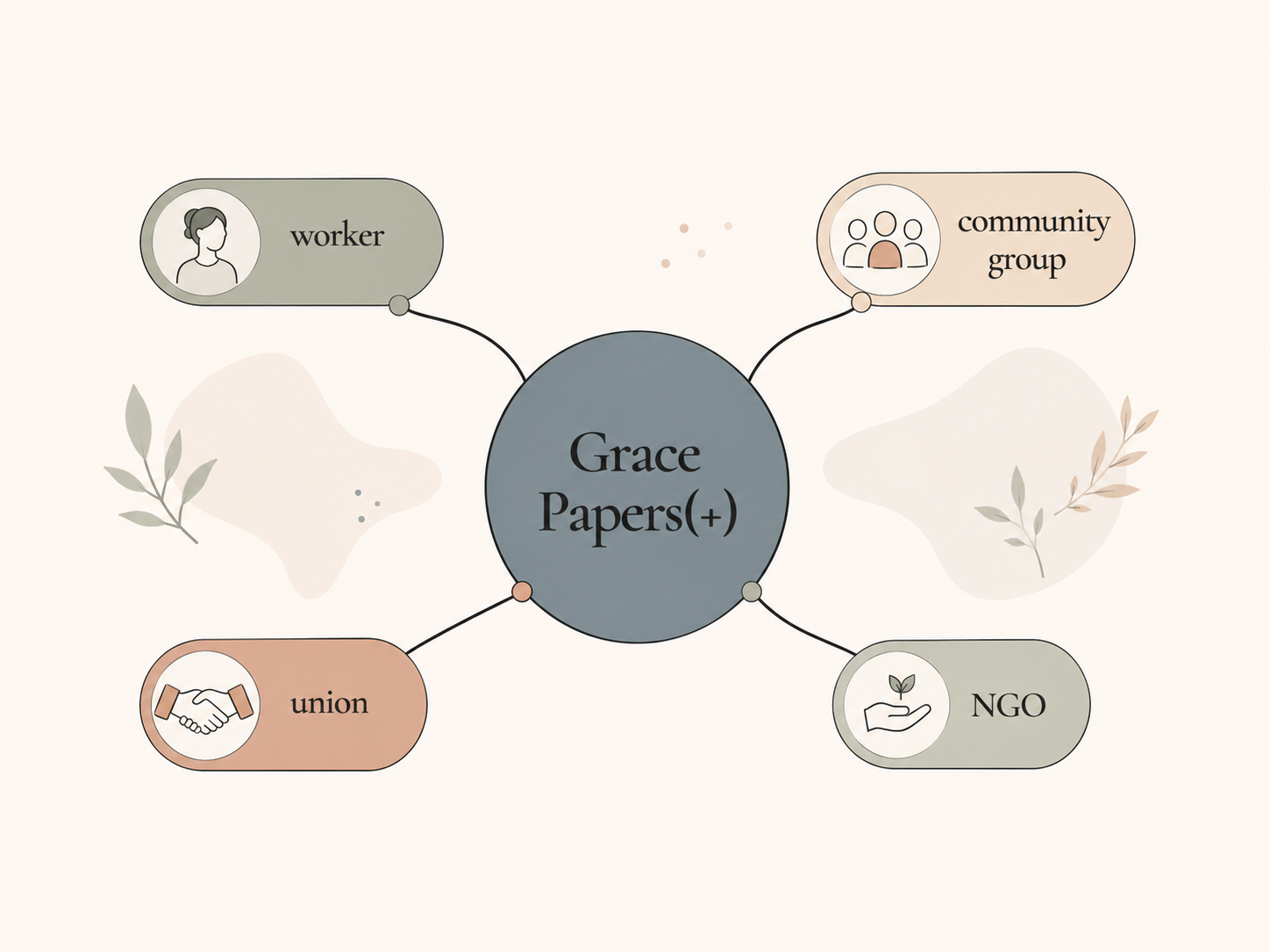
Extend support beyond employer-centric systems.
Create a community and advocacy-facing pathway for workers who may not access formal workplace equality programs.
Gender at Work
Workplace equality initiatives often appear inclusive, but access to support is shaped by employment status, organisational visibility, and employment systems. This project examines how precarious work is gendered, and why workers outside formal workplace structures may be excluded from existing equality support.
The hidden reality
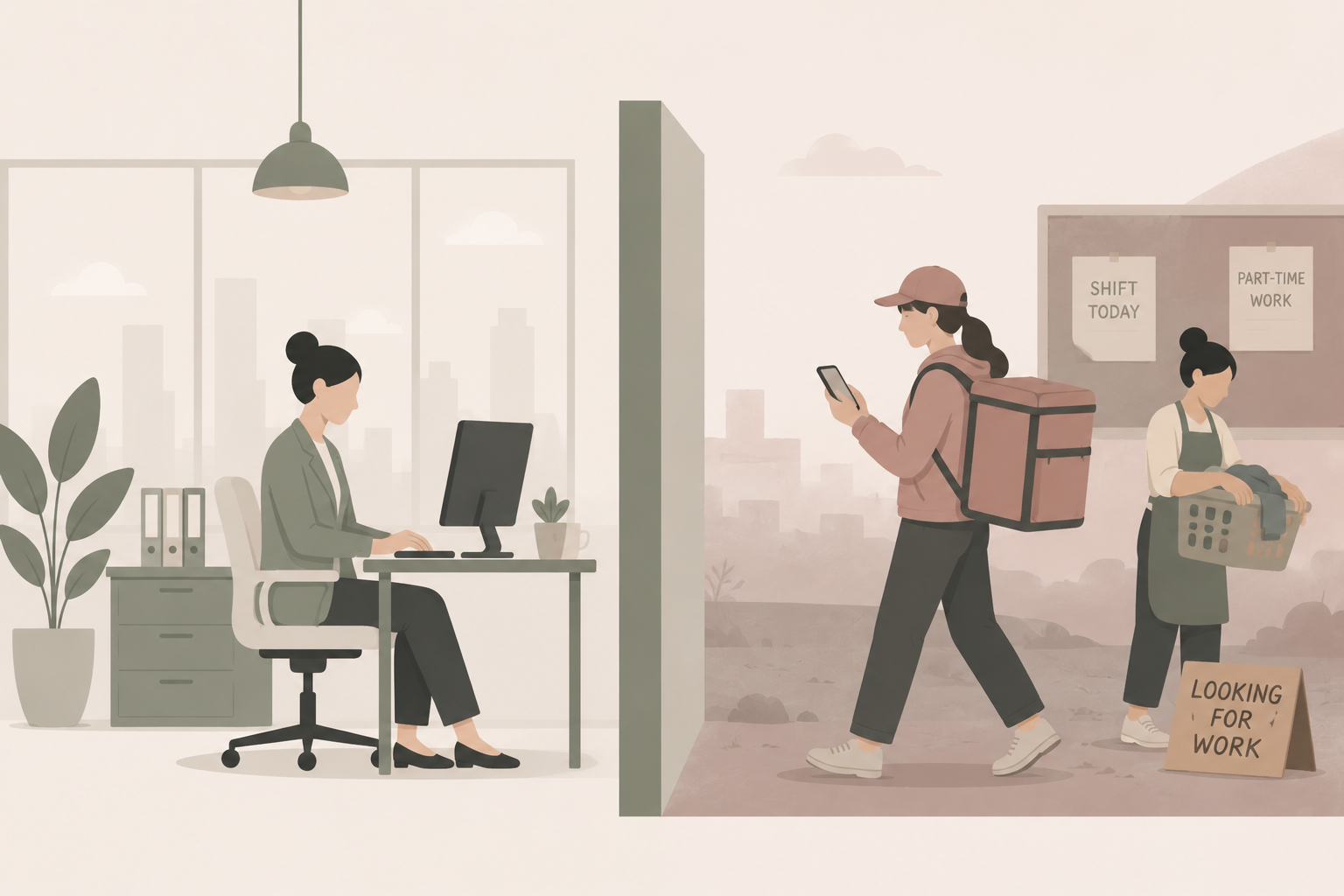
Precarious workers are often in insecure, casual, part-time, or unstable employment. They may have limited access to workplace communication, career progression, HR systems, and formal support.

Why it is gendered
Unpaid care responsibilities and expectations around flexible work push many women into insecure employment. Flexible work may exist in policy, but not always in practice.
Workplace equality initiatives often rely on HR systems, internal communication, and employer partnerships. These systems may unintentionally exclude workers who are least connected to formal organisational structures, including casual, part-time, low-paid, and insecure workers.
We examined academic studies, feminist economic research, policy reports, and workplace equality literature to understand how precarious labour becomes gendered.
We identified a key gap: equality initiatives often appear inclusive, but their delivery depends on stable employment systems that precarious workers may not access.
We propose visible hand, a community and advocacy-facing sector that extends support beyond employer-based consultancy. It uses accessible communication to reach workers, community organisations, trade unions, NGOs, and workplaces that may sit outside traditional consultancy pathways.


visible hand
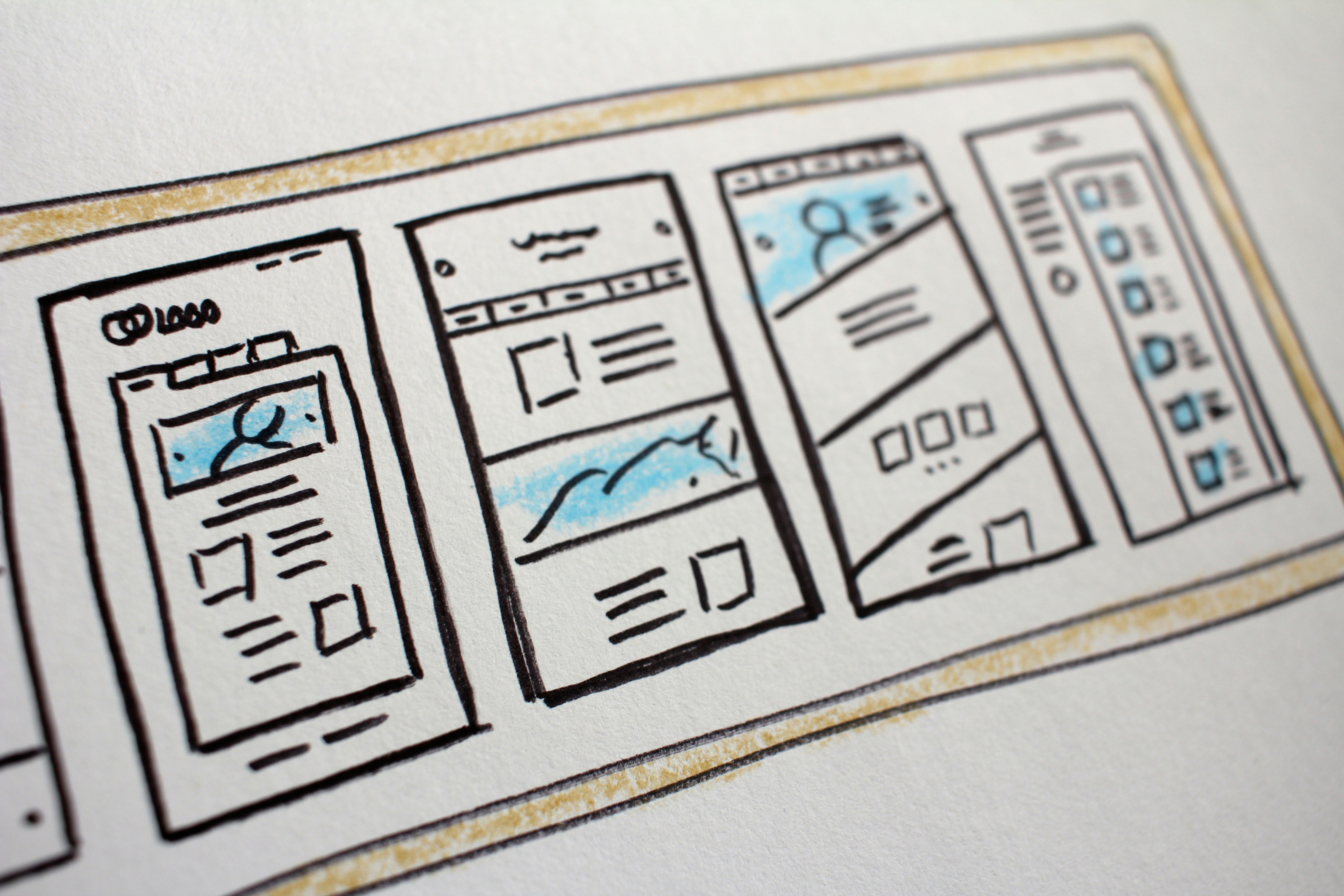
visible hand is proposed as a public-facing intervention that communicates the gendered impacts of precarious work and makes workplace equality support more visible and accessible. It responds to the limits of employer-facing equality models, which often depend on workers being connected to formal organisational systems such as HR channels, internal communication platforms, or employer-sponsored programs. This creates an accessibility gap for casual, part-time, low-paid, and insecure workers, as well as people in smaller or resistant workplaces.
Precarious work can produce stress, anxiety, instability, and emotional exhaustion. For many women, insecure paid labour exists alongside unpaid care responsibilities, creating a double burden of time and income pressure.
Intervention methods
Create a community and advocacy-facing pathway for workers who may not access formal workplace equality programs.

Use digital storytelling, accessible data, and clear recommendations to make gendered precarious work easier to understand and share.
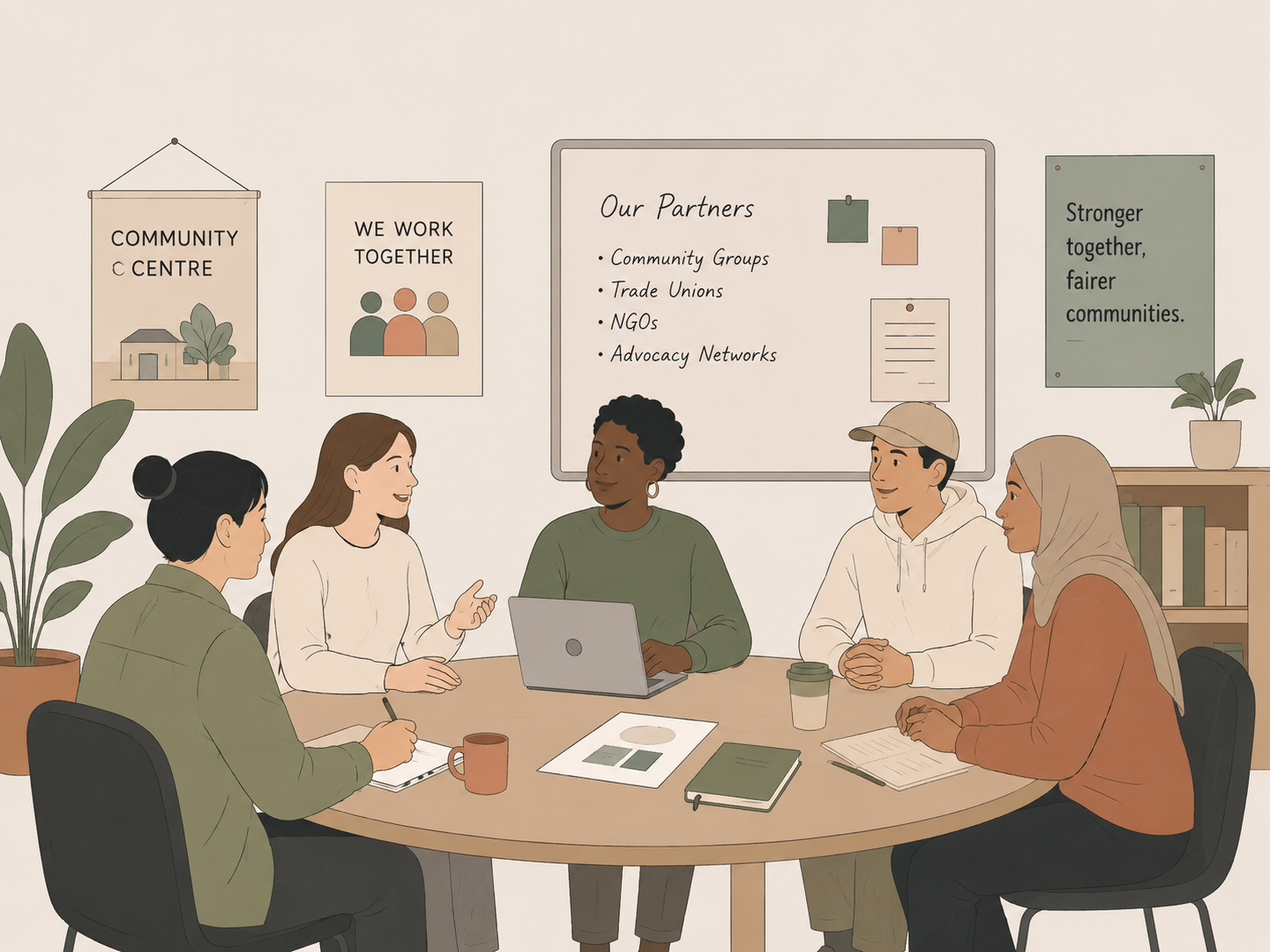
Work with community organisations, trade unions, NGOs, and advocacy groups to reach workers outside stable employment systems.
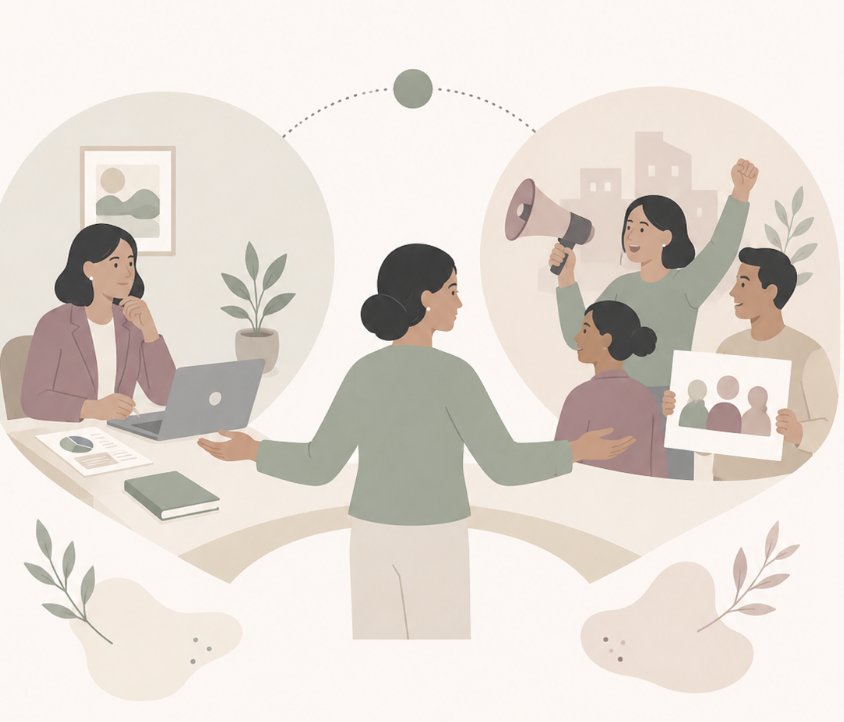
Position visible hand as a tool for education, mobilisation, and broader cultural change around workplace equality.
Intervention Rationale
visible hand responds to the gap between employer-based equality initiatives and the lived realities of precarious workers. The intervention is designed to extend access, improve communication, and make gendered workplace inequality more visible beyond formal organisational systems.
Many equality services rely on HR systems, internal platforms, or employer partnerships. visible hand offers a public-facing pathway for casual, part-time, low-paid, and insecure workers who may not be reached through formal workplace channels.
Access is not only about whether support exists, but whether people can understand and use it. The platform translates interdisciplinary research into clear, visual, and practical resources for workers and organisations.
Precarious workers are often excluded from dominant images of professional success. The intervention highlights insecure, flexible, and non-linear work experiences as central to workplace gender equality.
The intervention challenges narrow definitions of productivity, leadership, and success that reward continuous and uninterrupted labour. It positions workplace equality as a structural and cultural issue, not only an individual one.
Research Library
These sources informed our understanding of gendered precarious work, workplace inequality, mental health impacts, and the accessibility gap in formal workplace support systems.

Partner Context
Gender equality experts focusing on coaching, flexible work, parental transition, and organisational change.
Open source →
Workplace Data
Australian gender equality data, pay gap reporting, and workplace equality resources.
Open source →
Flexible Work
Research on flexible work stigma and its connection to gender inequality and pay gaps.
Open source →
Labour Context
Broader Australian employment context for understanding labour insecurity and workforce participation.
Open source →
Economic Theory
Explains how labour markets reward long, continuous, and predictable working hours.
Open source →
Organisational Structures
Shows how workplace structures, processes, and decision-makers reproduce gender inequality.
Open source →
Mental Health
Longitudinal research on precarious employment and its mental health impacts.
Open source →
Workplace Support
Examines inequality in workplace support for precarious workers compared with permanent workers.
Open source →